
 Smit Halvadiya
 1. Introduction
Dengue Fever Platelet Count is an important clinical indicator in dengue infection, a viral disease transmitted through the bite of an infected Aedes mosquito. Dengue Fever Platelet Count is closely monitored by doctors because dengue fever is commonly found in tropical and subtropical regions, especially in the Indian subcontinent. One of the most widely discussed complications of dengue infection is a fall in platelet levels, which makes Dengue Fever Platelet Count a major concern for patients and families.
Patients and families often panic when they are informed that the Fever Platelet Count is low. However, low platelet levels are not always life-threatening. According to the World Health Organization (WHO), dengue management should not depend only on Platelet Count, but also on clinical symptoms and warning signs.
In this article, you will learn:
- What Dengue Fever Platelet Count means
- Why platelet count becomes low in dengue
- Normal range of Platelet Count
- Lower limit and danger level
- When platelet transfusion is required
- Platelet Count recovery timeline
- Myths vs facts (WHO based)
2. What Is Dengue Fever Platelet Count?
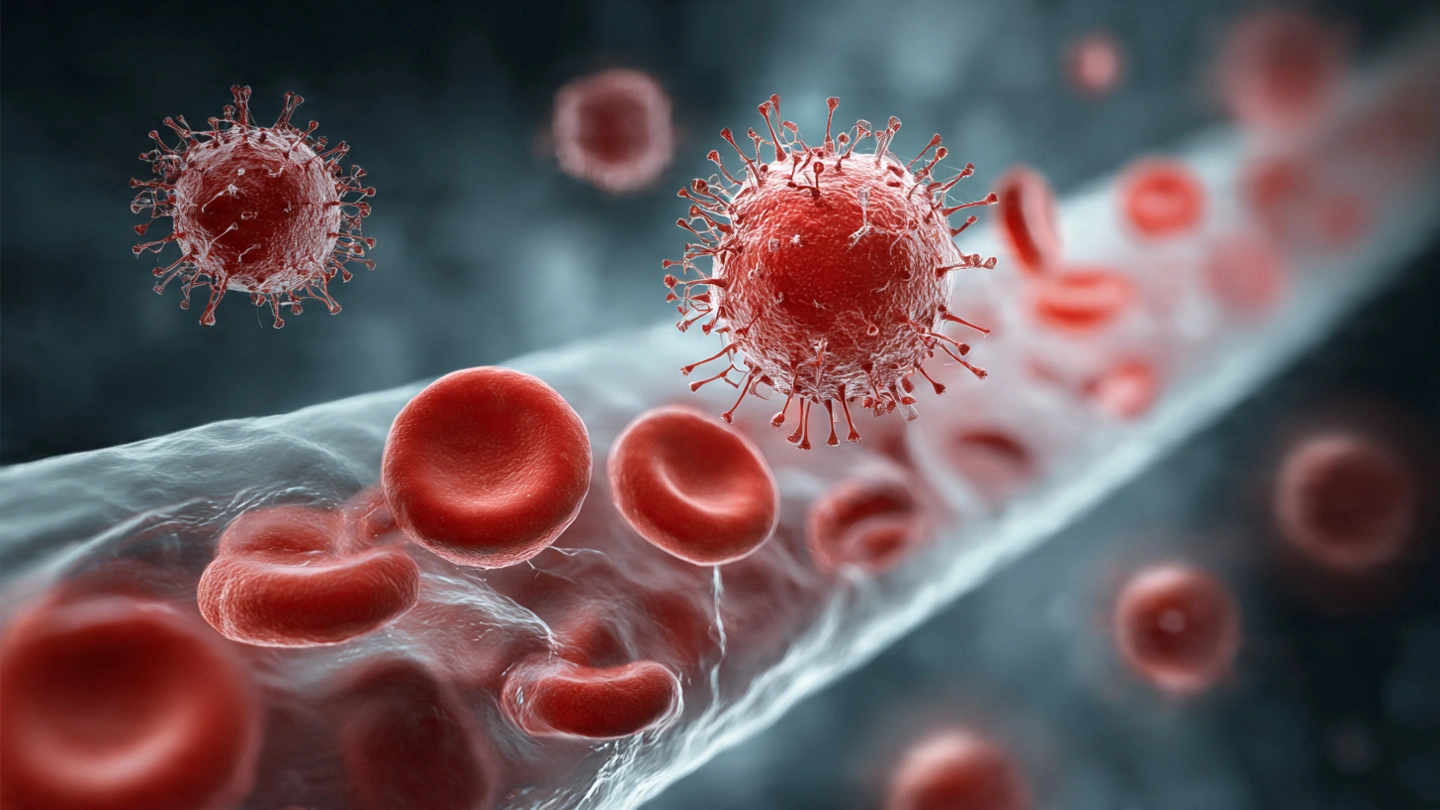
Dengue Fever Platelet Count refers to the number of platelets present in the blood during dengue infection. Platelets, also known as thrombocytes, are small blood cells that help in clot formation to stop bleeding when a blood vessel is damaged.
3. Normal Dengue Fever Platelet Count
In a healthy individual, the normal platelet range is:
150,000 to 450,000 platelets per microliter of blood
When the Platelet Count drops below this normal range, the condition is called thrombocytopenia, which is commonly seen in dengue patients.
4. Dengue Fever and Platelet Count – What’s the Link?
When a person contracts dengue, the virus affects the bone marrow and immune system. This leads to reduced platelet production and increased destruction of platelets, resulting in a low Dengue Fever Platelet Count.
The Dengue Fever Platelet Count usually:
- Starts decreasing after day 3 or 4 of fever
- Reaches the lowest level between day 5 and day 7
- Begins to recover after the critical phase
According to WHO, a fall in Platelet Count is expected and does not always indicate severe dengue.
5. Why Dengue Fever Platelet Count Is Low
5.1 Bone Marrow Suppression
The dengue virus temporarily reduces platelet production, lowering the Platelet Count.
5.2 Immune Response
The immune system destroys infected platelets along with the virus, affecting the Platelet Count.
5.3 Plasma Leakage
In severe dengue, plasma leakage reduces platelet concentration.
5.4 Reduced Platelet Survival
Platelets are destroyed faster than normal during dengue infection.
6. Platelet Count Levels Explained
1️⃣ Mild Reduction (Above 100,000)
- Usually no bleeding
- Mild weakness
- Dengue Fever Platelet Count monitoring is sufficient
2️⃣ Moderate Reduction (50,000–100,000)
- Common in dengue
- Mild gum or nose bleeding may occur
- Hospital observation may be required
3️⃣ Severe Reduction (Below 50,000)
- Increased bleeding risk
- Close monitoring of Dengue Fever Platelet Count
- Platelet transfusion only if active bleeding occurs
4️⃣ Critical Level (Below 20,000)
- High risk of internal bleeding
- Immediate medical attention required
⚠️ WHO Guideline:
Low Platelet Count alone is NOT an indication for platelet transfusion.
7. Warning Signs Related to Fever Platelet Count
Seek immediate medical care if the dengue patient experiences:
- Persistent vomiting
- Severe abdominal pain
- Nose or gum bleeding
- Blood in urine or stool
- Extreme weakness or restlessness
- Difficulty breathing
These signs indicate severe dengue, not just low Dengue Fever Platelet Count.
8. When Is Platelet Transfusion Required? (WHO)
WHO strongly discourages unnecessary transfusion based only on Platelet Count.
Platelet transfusion is required only when:
- There is active bleeding
- Very low Platelet Count with hemorrhage
- Shock or organ involvement is present
9. Dengue Fever Platelet Count Recovery Timeline
Recovery of Dengue Fever Platelet Count usually begins:
- After day 7 of illness
- Once fever subsides
- Appetite starts improving
Complete recovery generally takes 7–14 days, depending on disease severity. WHO states that a rising Fever Platelet Count with stable hematocrit indicates recovery.
10. Conclusion
Dengue Fever Platelet Count is an important marker in dengue infection, but it should never be the only reason for panic. According to WHO, dengue treatment should focus on warning signs, proper hydration, and careful monitoring rather than unnecessary platelet transfusion. With timely care, Dengue Fever Platelet Count usually recovers naturally.