
 Smit Halvadiya
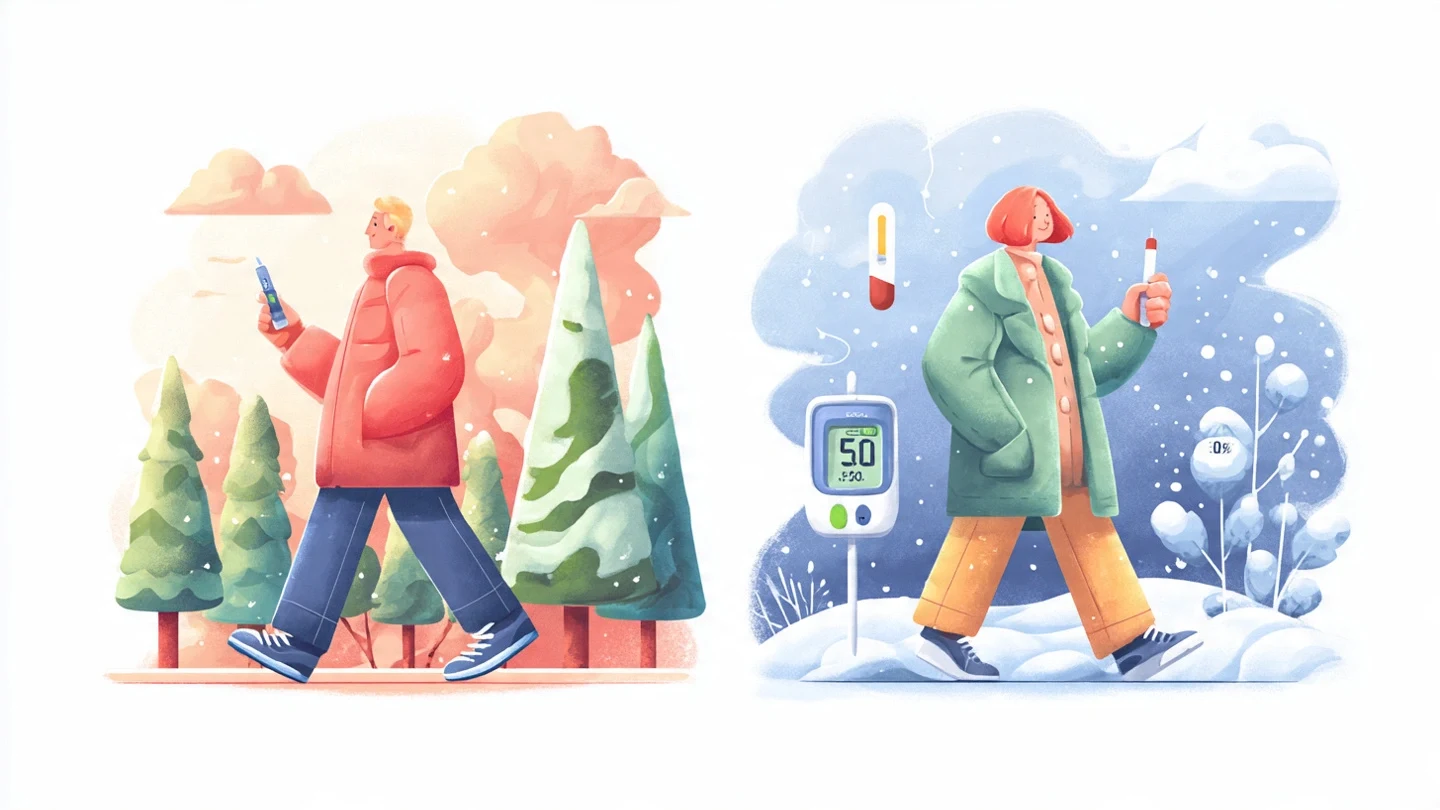
 One common complaint among many diabetic and prediabetic individuals in winter is that even when there are no major changes to diet, their blood sugar suddenly begins to rise. This is no seasonal coincidence but, rather, is related to a condition called winter insulin resistance.
Winter insulin resistance is a health condition that pertains to a decrease in the sensitivity of the body towards insulin during cold months. Because of this, glucose stays in the blood instead of entering the cells, thereby increasing blood sugar readings.
Individuals with the following conditions can face this problem:
- Type 2 diabetes
- Type 1 diabetes
- Prediabetes
- PCOS
- Those at metabolic risk
Understanding the reasons for blood sugar increases in winter and how to manage it will help prevent complications and keep glucose levels stable during the cold season.
1. What Is Winter Insulin Resistance?
Winter insulin resistance is a seasonal decrease in the effectiveness of the body in utilizing insulin during colder months.
Insulin is a hormone that facilitates the entry of glucose into body cells for use as energy. As insulin sensitivity decreases, a higher amount of insulin is required to perform the same action. If insulin supply or response is inadequate, blood sugar levels increase.
This seasonal pattern has been observed globally and appears to be related to weather, lifestyle, hormones, and metabolism.
2. Why Blood Sugar Increases in Winter
2.1 Reduced Physical Activity
Cold weather is often associated with:
- Less outdoor movement
- Fewer steps per day
- Reduced frequency of exercise
Physical inactivity directly lowers insulin sensitivity. With reduced activity, glucose uptake by muscles slows down, leading to higher blood sugar levels.
2.2 Increased Intake of Calories and Carbohydrates
Winter diets commonly include:
- Comfort foods
- Refined carbohydrates
- Sugary snacks
- High-fat meals
These foods cause blood sugar spikes, especially when insulin sensitivity is already low, making diabetes control more difficult during cold weather.
2.3 Hormonal Changes in Cold Weather
Cold exposure increases the release of:
- Cortisol (the stress hormone)
- Adrenaline
Cortisol raises blood sugar by increasing glucose production in the liver. High cortisol levels are directly linked to insulin resistance, especially in winter.
This mechanism is also seen in hormonal conditions such as PCOS.
2.4 Vitamin D Deficiency
Reduced sunlight exposure during winter lowers vitamin D levels. Research shows that vitamin D supports insulin sensitivity and glucose metabolism.
Vitamin D deficiency is associated with:
- Increased insulin resistance
- Poor glycemic control
- Higher fasting blood sugar
2.5 Weight Gain During Winter
Even modest weight gain increases insulin resistance. Abdominal fat is especially harmful because it releases inflammatory chemicals that interfere with insulin action.
This reflects the central obesity pattern seen in metabolic disorders.
2.6 Stress and Seasonal Mood Changes
Winter can increase:
- Stress
- Anxiety
- Seasonal depression
Mental stress raises cortisol levels, worsening blood sugar control. Poor mental health is strongly linked to adverse diabetes outcomes.
3. Who Is Most Affected by Winter Insulin Resistance?
People at higher risk include:
- Type 2 diabetes patients
- People with prediabetes
- Women with PCOS
- Individuals with obesity
- Sedentary people
- Older adults
Those with unstable blood pressure may also feel worse during winter.
4. Signs and Symptoms of Winter Insulin Resistance
Common warning signs include:
- Higher fasting blood sugar
- Increased post-meal glucose spikes
- Fatigue after meals
- Increased sugar cravings
- Difficulty losing weight
- Worsening HbA1c during winter
Early recognition helps prevent complications.
5. Health Risks of Poor Diabetes Control in Winter
If winter insulin resistance is not managed, it can lead to:
- Persistent hyperglycemia
- Increased risk of infection
- Cardiovascular complications
- Worsening metabolic syndrome
Infections such as flu and viral illnesses can further elevate blood sugar levels.
6. How to Enhance Insulin Sensitivity During Winter
6.1 Stay Physically Active Indoors
Effective winter exercises include:
- Brisk indoor walking
- Resistance training
- Yoga
- Bodyweight workouts
Even 30 minutes of daily exercise improves insulin sensitivity.
6.2 Follow a Balanced Winter Diet
Focus on:
- Whole grains
- Lean proteins
- Vegetables
- Healthy fats
Limit:
- Sugary drinks
- Refined carbohydrates
- Ultra-processed foods
A balanced diet helps maintain stable blood sugar during winter.
6.3 Practice Good Sleep Habits
Poor sleep increases insulin resistance. Aim for:
- 7–9 hours of sleep
- Consistent sleep timing
- Limited screen exposure at night
6.4 Manage Stress Effectively
Helpful strategies include:
- Meditation
- Breathing exercises
- Mindfulness
- Light stretching
Reducing stress lowers cortisol and improves blood sugar control.
6.5 Monitor Blood Sugar More Frequently
Winter may require:
- More frequent glucose checks
- Doctor-guided medication adjustments
Tracking trends helps prevent sudden spikes.
6.6 Address Vitamin D Deficiency
Safe sunlight exposure and dietary sources may help. Never start supplements without consulting a healthcare professional.
7. When to Seek Medical Care
Seek medical advice if:
- Blood sugar remains uncontrolled
- Hypoglycemia or hyperglycemia increases
- Weight gain accelerates
- Fatigue becomes persistent
Early intervention prevents long-term complications.
8. Conclusion
Winter insulin resistance is a real and scientifically recognized condition. Cold weather, reduced activity, hormonal changes, dietary shifts, and stress all contribute to rising blood sugar during winter months.
Blood sugar can be managed through lifestyle adjustments, regular monitoring, stress management, and medical guidance. Improving insulin sensitivity during winter helps maintain stable glucose levels and supports long-term health.
Successful diabetes control in cold weather depends on seasonal awareness and proactive care.