

 Smit Halvadiya
 1. Introduction
Diabetes is a chronic health condition that pertains to the impairment of the way the body regulates blood sugar levels, otherwise known as glucose. According to global health organizations, notably the WHO, diabetes prevalence is increasing at an alarming rate around the world, most especially in developing nations. Diabetes cannot always be cured, but it can be reasonably managed with the appropriate lifestyles. One of the most critical tools for diabetes management is a well-planned diabetic meal plan.
It’s also important to remember that a meal plan for diabetic patients is not solely about dieting or having to abstain from all your favorite foods. It’s all about giving one’s body what it needs in terms of nutrition in the right amount and consuming healthy food to manage blood sugar levels. For the rest, this article covers what a diabetic meal plan is, why it’s important, foods one should consume or avoid, and a sample meal plan that one could live by on a daily basis.
2. What is a Diabetic Meal Plan?
A meal plan for diabetes is a broad approach to planning what one eats. It is designed to:
- Control blood sugar
- Maintain weight within a healthy range
- Reduce the risk of complications
- Improve overall health and energy levels
A good meal plan considers the balance of carbohydrates, proteins, fats, fiber, vitamins, and minerals in food. It also puts into consideration the time of every meal and the size of portions of food taken, based on individual health needs.
3. Why is a Diabetic Meal Plan Important?
The direct relation to blood sugar level involves the food factor. Eating foods that are not healthy or eating large portions raises blood sugar levels very quickly in people with diabetes. If this condition continues, many serious complications may emerge over time, including:
- Heart Diseases
- Kidney injury
- Vision problems
- Nerve damage
- Complications of the foot
A proper meal plan for diabetics helps by:
- Preventing sudden spikes in blood sugar level
- Improving insulin sensitivity
- Supporting weight management
- Lower cholesterol and blood pressure
- Improving the overall quality of life
4. Principles of a Diabetic Meal Plan
4.1 Balanced Nutrition
Each meal should include a balance of:
- Carbohydrates (preferably complex carbs)
- Proteins
- Healthy fats
- Foods containing fiber
4.2 Control of Portions
Even healthy foods can raise blood sugar if taken in large portions. Portion control is the key to diabetes management.
4.3 Regular Timing of Meals
Eating at regular intervals helps avoid blood sugar highs and lows. Skipping meals may lead to low blood sugar or overeating later.
4.4 Low Glycemic Index Foods
Foods with a low GI increase blood sugar slowly and are more suitable for diabetic individuals.
5. Understanding Carbohydrates in Diabetes
Of the three macronutrients, carbohydrates have the largest impact upon blood sugar.
5.1 Healthy Carbohydrate Choices
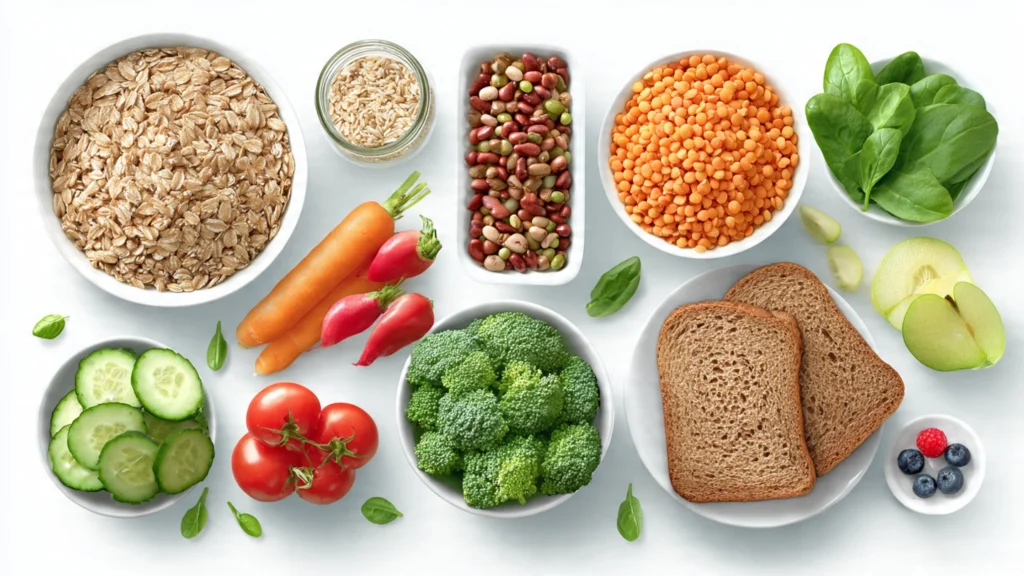
- Whole grains include the following: brown rice, oats, whole wheat bread
- Legumes: lentils, chickpeas, beans
- Vegetations
- Fruits-quantity controlled
5.2 Carbohydrates to Limit
- White rice
- White bread
- Sugary cereals
- Pastry, sweets
- Sugar-sweetened beverages
6. Importance of Fiber in a Diabetic Meal Plan
Fiber slows down digestion, aiding in the prevention of sudden spikes in blood sugar.
High-Fiber Foods
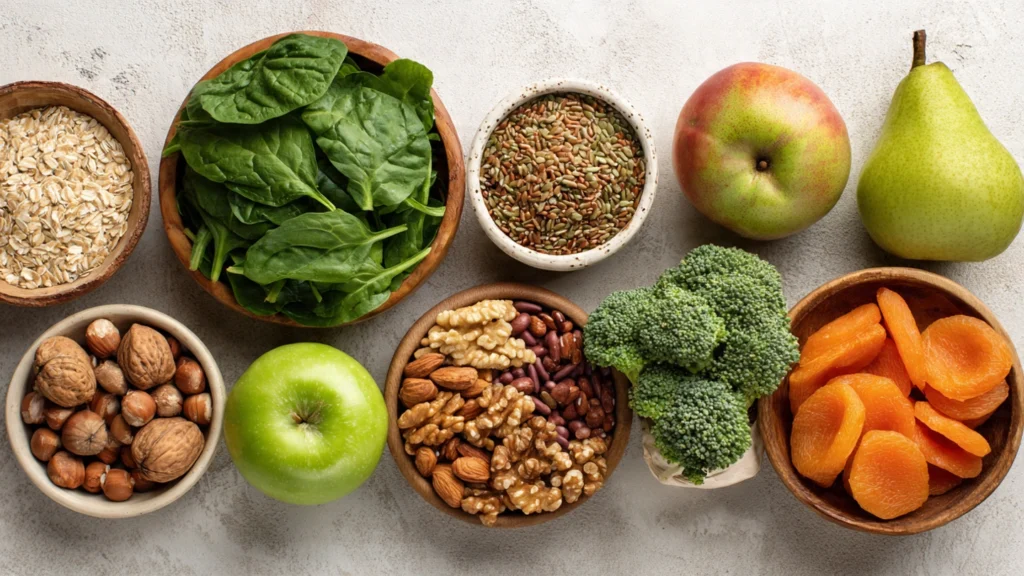
- Vegetables: spinach, broccoli, carrots
- Fruits with skin-on (apples, pears)
- Whole grains
- Beans and lentils
- Nuts and seeds
Adults with diabetes should intake about 25–35 grams of fiber daily.
7. Protein: The Important Component
Protein controls hunger and doesn’t spike blood sugar too much.
Sources of Healthy Protein
- Lean meats: chicken, turkey
- Fish: salmon and tuna
- Eggs
- Low-fat dairy
- Plant proteins: tofu, legumes
Avoid fried foods containing meats and processed meats, as they increase the risk for heart disease.
8. Healthy Fats in Diabetes
They are not all bad, as healthy fats protect the heart and help absorb nutrients.
Healthy Fats
- Olive oil
- Avocados
- Nuts and seeds
- Fatty fish
Fats to Avoid
- Trans fats
- Deep-fried foods
- Snack foods in packets
- Excess butter and ghee
9. Foods to Include in a Diabetic Diet
- Leafy green vegetables
- Whole grains
- Lean proteins
- Fresh fruits (controlled portions)
- Healthy fats
- Low-fat milk, cheese, and other dairy products
- Plenty of water
10. Foods to Limit or Avoid
- Sugary foods and drinks
- Refined carbohydrates
- Processed foods
- Excess salt
- Alcohol – limit or avoid
11. Sample One-Day Diabetic Meal Plan
Early Morning
- Warm water with a few drops of lemon
Breakfast
- Vegetable omelet (2 eggs)
- 1 slice whole wheat toast
- 1 cup unsweetened green tea
Mid-Morning Snack
- 1 small apple
- A fistful of nuts
Lunch
- Brown rice or whole wheat roti
- Vegetable curry
- Grilled chicken or lentils
- Salad fresh, dressed with olive oil
Evening Snack
- For a crunchy snack, one can try roasted chickpeas or sprouts
- Herbal tea
Dinner
- Grill fish or paneer
- Steamed vegetables
- Small serving of whole grains
Bedtime (if necessary)
- A glass of low-fat milk
12. Diabetic Meal Planning Approaches
The Plate Method
- ½ plate: Non-starchy vegetables
- ¼ plate: Lean protein
- ¼ plate: Whole grains or complex carbs
Carb Counting
This approach counts carbohydrates per meal and is very helpful for individuals on insulin therapy.
13. Hydration and Diabetes
It is very important to drink enough water in order to regulate one’s blood sugar levels.
- Drink water often
- Avoid sweetened beverages
- Limit fruit juices
Aim for 8–10 glasses of water daily, unless your doctor recommends otherwise.
14. Special Tips for Diabetic Eating
- Pay extra attention to food labels
- Opt for grilling, steaming, or baking as cooking methods
- Avoid skipping meals
- Keep stress under control
- Combine meal planning with regular physical activity
15. Errors to be Avoided
- Skipping meals
- Eating too much of “diabetic” packaged foods
- Not paying attention to serving sizes
- Overeating fruits
- Medication alone, without diet control
16. Diabetic Meal Plan for the Indian Lifestyle
A meal plan for a diabetic can very easily be incorporated into an Indian diet:
- Replace white rice with brown rice or millets
- Opt for roti instead of naan
- Use less oil and salt
- Include dal, vegetables, and curd
- Avoid sweets and fried snacks
17. Medical Advice Plays an Important Role
Every person with diabetes is unique. A meal plan should be individualized based upon:
- Age
- Type of diabetes
- Activity level
- Medications
- Other health conditions
It helps to see a doctor or registered dietitian to realize the safest and most effective way of managing diabetes.
18. Conclusion
The diabetic meal plan is not a short-term but rather a long-term healthy eating pattern that aims to help one have better blood sugar control, prevent complications, and ensure an improved feeling of well-being. When the food is well-chosen, portions are wisely controlled, and consistency is ensured, diabetes would not stop individuals with this condition from living healthy and active lives.
Remember, small changes in eating habits each day can bring a big change in managing diabetes effectively.